Thinking about trading Burlington’s cul-de-sacs for sea breezes and sunrise walks? You are not alone. Many Alamance County homeowners are planning a coastal move for lifestyle, investment, or a second home. In this guide, you will learn how the beach market differs, how to finance both sides, which coastal inspections matter, and how to time everything with less stress. Let’s dive in.
Why people move from Burlington to the coast
If you are eyeing Myrtle Beach, North Myrtle Beach, Brunswick County, or Wilmington, you likely want a lifestyle shift. Common reasons include retirement, easier access to recreation, or a second home you can enjoy and possibly rent when you are not there. Remote work also makes a longer commute less frequent. Some buyers are drawn to the potential of short-term rental income.
Coastal areas often see seasonal demand, especially in spring and summer when second-home buyers and vacationers visit. Inventory can tighten near the beach, which can affect pricing and strategy. Going in with a plan will help you move faster when the right home appears.
How coastal markets differ from Alamance
Pricing near the water is driven by proximity to the beach, views, flood elevation, wind exposure, and rental potential. Appraisers and buyers weigh these factors heavily. Two homes with the same square footage can be priced very differently based on elevation and view.
Seasonality is stronger on the coast. Tourist-heavy towns can feel different than nearby residential communities inside the same county. Myrtle Beach area dynamics are not identical to Brunswick County or Wilmington, and each town can have its own regulations and HOA norms. This is why you should compare not just counties, but neighborhoods and streets.
Choose your purchase strategy
Your inland sale and coastal purchase may overlap. Pick the structure that fits your timing, budget, and risk tolerance.
Sale contingency
A sale contingency lets you offer on a coastal home while your Burlington home is on the market. You avoid taking on two mortgages. The tradeoff is that coastal sellers may favor non-contingent offers in competitive areas. If you choose this path, keep your inland listing strong and price it right.
Simultaneous closings
You sell in the morning and buy in the afternoon. Your sale proceeds fund the purchase right away. This can work well, but it requires careful coordination with title companies, your lender, and moving logistics. Build in buffers for appraisal, underwriting, and insurance.
Buy first with bridge financing or a HELOC
You can use a bridge loan or a line of credit on your Burlington home to buy on the coast before you sell. This makes your offer stronger, but you will carry two payments until your sale closes. Factor in interest, fees, and insurance on both properties.
Rent-back after closing
If your buyer is flexible, a short rent-back can give you time to close on your coastal purchase and move. The agreement should spell out the daily rent, length of time, and responsibilities. Confirm how this affects the buyer’s insurance.
Seller financing
Carryback financing from the seller is less common, but it can fill a gap. Terms vary, and you should review repayment timelines and interest costs carefully.
Get pre-approved the right way
Tell your lender if the coastal home will be a primary residence, a second home, or an investment property. Rules, down payments, and rates differ. Lenders often treat properties with short-term rental plans as investment homes.
If the home is in a flood zone on FEMA maps, the lender will require flood insurance. Some loans, including VA and FHA, have additional property standards related to flood exposure. Work with a lender experienced in coastal underwriting and include estimated flood and wind premiums in your budget.
Insurance and flood planning
Coastal insurance is a make-or-break item. Start early and price it carefully.
Flood insurance
Many coastal parcels fall within special flood hazard areas. If so, lenders require flood insurance. Premiums depend on elevation, distance to water, and property features. An elevation certificate prepared by a licensed surveyor can help set the rate. Ask about past flood history and any mitigation work.
Wind and hurricane coverage
Wind exposure can increase homeowners insurance costs near the coast. Some carriers limit or exclude wind coverage in higher-risk zones. You may need a separate windstorm policy or to rely on residual market options in certain areas. Expect carriers to weigh roof age, roof strapping, impact-rated windows, and other mitigation features.
Ways to lower premiums
Features that can help include impact windows, hurricane shutters, reinforced garage doors, and higher elevation above base flood levels. A wind mitigation inspection can document upgrades for underwriting.
Coastal inspections you should order
Beyond a standard home inspection, coastal properties call for additional checks. Line these up early in your due diligence period.
- Wind mitigation inspection to document hurricane features
- Termite and wood-destroying organism inspection
- Flood elevation certificate from a licensed surveyor
- Roof and siding review for salt corrosion and fasteners
- Elevated foundation check if on pilings or piers
- Dock, seawall, or pier inspection where present
- Septic system evaluation or confirmation of public sewer
- Targeted mold and moisture testing if the home’s history suggests issues
- Pool inspection where applicable
Title, disclosures, and interstate closings
North Carolina and South Carolina use different seller disclosures and closing practices. Expect to review the required property disclosure forms and any HOA documents. Coastal properties may include flood history or storm damage disclosures.
If you are selling in North Carolina and buying in South Carolina, you will likely work with separate closing attorneys or title companies. Wire funds only to verified instructions and confirm details verbally with your closing officer. Coastal and long-distance transactions attract fraud attempts, so protect your wiring steps.
Allow 30 to 45 days for financing, appraisals, inspections, and insurance underwriting, and consider adding extra time if the property’s comps involve complex coastal adjustments.
Short-term rentals, HOAs, and local rules
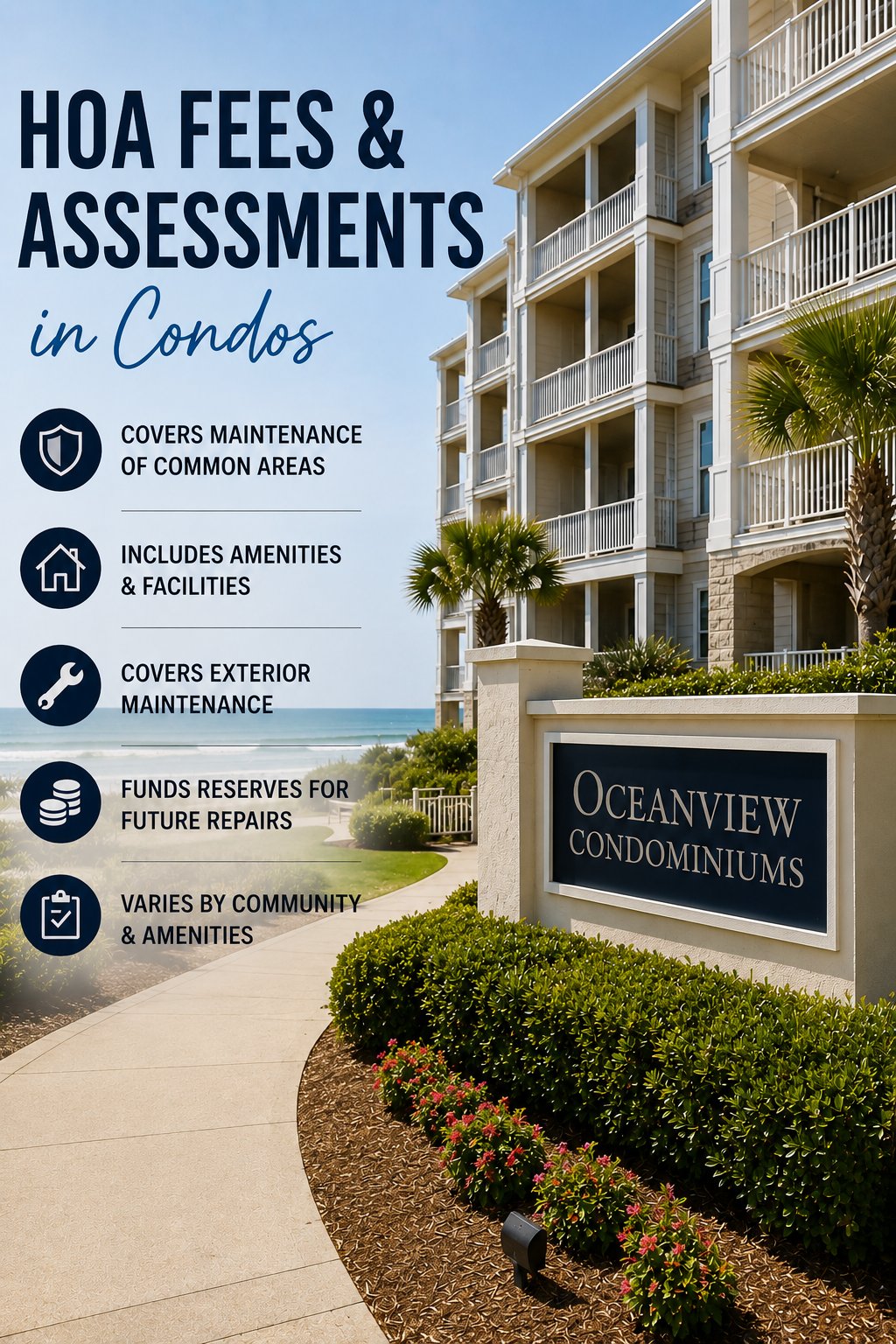
If you plan to rent, check municipal and county short-term rental rules along with any HOA covenants. Requirements can include licensing, occupancy taxes, and guest limits. These rules vary by town, even within the same county. Some coastal communities also have special assessments for beach nourishment, sewer upgrades, or storm recovery. Review local government notices and HOA budgets before you close.
Taxes and budgeting across counties
Tax rates and assessments differ between Alamance County and coastal counties. Even when millage rates are similar, higher coastal assessed values can raise your total tax bill. Ask your agent for the current county assessment approach and confirm any special fees. Build taxes, flood, wind, and HOA dues into your debt-to-income planning with your lender.
Moving logistics from Burlington to the beach
Distance matters for timing and cost. Burlington to Myrtle Beach is roughly 3.5 to 4 hours by car, with Wilmington a similar drive depending on your route. If closings do not align, consider storage or POD-style options to bridge the gap. Compare the cost of moving large furniture versus replacing it.
Set transfer dates for utilities at both properties, including electric, water and sewer, trash, and internet. If the coastal home is older or near water, ask about permitting for any future dock or seawall work. Plan for pet transport and vehicle logistics. If you are crossing state lines, check DMV rules for vehicle registration.
Your 3-to-6 month game plan
A clear plan reduces stress when the right beach home hits the market.
3 to 6+ months before your move
- Meet with a dual-market agent who understands Burlington and the coast.
- Get pre-qualified with a lender experienced in coastal underwriting.
- Request a comparative market analysis for your Burlington home and start prep.
- Ask for an early flood map review and preliminary insurance quotes.
6 to 8 weeks out
- Tour coastal neighborhoods and refine your budget and priorities.
- Choose your purchase strategy: contingency, simultaneous closings, or bridge financing.
- Apply for a bridge loan or HELOC if you plan to buy first.
2 to 4 weeks before closing
- Schedule inspections, including wind mitigation and WDI.
- Order an elevation certificate if required and secure insurance binders.
- Coordinate title companies and movers, and confirm closing timelines.
Day of closing
- Verify wiring instructions and bring government ID.
- Confirm utility turn-on and shutoff times.
- Review any rent-back or occupancy agreements.
After closing
- File a change of address and arrange local services.
- Update vehicle registration if needed and review any rental permits.
- Set a maintenance plan for salt air, roof checks, and dock or seawall care.
Who you need on your team
A coordinated team will save you money and time.
- A dual-market real estate agent experienced in both inland and coastal deals
- A lender versed in flood and wind underwriting for coastal loans
- A home inspector who understands coastal structures and materials
- Licensed WDI inspector, marine or structural specialists for docks or pilings
- A licensed surveyor for elevation certificates and boundaries
- An insurance broker with coastal homeowners and flood expertise
- Closing attorneys or title companies in both locations
- A moving company that offers long-distance and storage options
- A property manager if you plan to rent short-term
Ready to plan your move?
You deserve a seamless, well-timed transition from Burlington to the beach. With the right plan and the right team, you can protect your budget, secure the insurance you need, and move with confidence. If you are ready to explore coastal neighborhoods, compare financing paths, and map your timeline, connect with Cathy Cagno for guidance tailored to your goals.
FAQs
What makes coastal prices different from Burlington?
- Coastal pricing weighs proximity to water, elevation, wind exposure, and rental potential. Two similar homes may be priced differently based on view and flood risk.
How should I finance a buy before I sell in Alamance?
- Consider a bridge loan or HELOC to tap your equity, or plan simultaneous closings. Each option has tradeoffs in cost, timing, and risk.
Which coastal inspections are most important?
- In addition to a standard inspection, order wind mitigation, WDI, and an elevation certificate. Add dock or seawall checks and targeted moisture testing as needed.
When should I get insurance quotes for a beach home?
- Start during pre-approval and update quotes during due diligence. Flood and wind costs can affect your qualification and monthly budget.
Can I use a coastal property for short-term rentals?
- It depends on local ordinances and HOA rules. Confirm licensing, occupancy taxes, and any limits before you buy.
How long do interstate closings usually take?
- Many financed purchases take 30 to 45 days. Build in extra time for appraisals, insurance underwriting, and elevation certificates.
Is a rent-back a good idea if my closings do not align?
- A short rent-back can work well if both parties agree on rent, timing, and responsibilities. Confirm the buyer’s insurance requirements in writing.