Wondering whether a condo or a single‑family house is the smarter second‑home choice in North Myrtle Beach? You’re not alone. Between HOA dues, coastal insurance, flood zones, and rental rules, the details can feel overwhelming. This guide gives you a clear, local breakdown of what it really costs to own each option, the lifestyle trade‑offs, and how to match the property type to your goals. Let’s dive in.
Total cost of ownership in North Myrtle Beach
The right way to compare a condo and a house is to add up every recurring and irregular cost. Along the Grand Strand, salt air, wind exposure, and flood risk make certain line items more important.
Purchase and financing
- Purchase costs include your down payment, closing costs, and mortgage interest.
- Financing can differ for condos. Some loan programs require the condo building to meet project approval standards, and second‑home or investment loans can have different down payment and reserve requirements.
- Ask a lender who regularly finances Grand Strand condos to confirm product options and any building‑specific approval hurdles.
Property taxes
- Property taxes are based on assessed value and local millage. In North Myrtle Beach, taxes are levied by Horry County and sometimes municipal districts, so bills can vary by neighborhood and assessment method.
- Always request recent tax bills for the exact property you’re evaluating.
Insurance and flood coverage
- For houses, you typically carry a homeowners policy. For condos, the HOA’s master policy covers the building structure, while you, as the unit owner, carry an HO‑6 policy for interiors and personal property.
- Coastal homes often face higher wind and hurricane premiums. Hurricane deductibles are common and can be significant.
- If a property sits in a FEMA Special Flood Hazard Area, lenders usually require flood insurance. Check the flood zone early and get quotes for premiums and hurricane deductibles.
HOA or POA dues and assessments
- Condo dues usually cover the building envelope, roof, common area maintenance, amenities, contributions to reserves, and part of the insurance through the master policy. Some include common utilities.
- Single‑family communities with POAs often cover common area landscaping, amenities, private road maintenance, and stormwater features. You still handle your own home’s exterior.
- Always account for the risk of special assessments, especially in coastal buildings with elevators, pools, or extensive exterior systems.
Utilities and services
- Typical utilities include electricity, water and sewer, trash, cable or Internet. Some condo associations include certain utilities in monthly dues, which can simplify budgeting.
- Ask for 12 months of actual utility bills from the seller.
Maintenance and repairs
- For single‑family homes, you carry the full exterior burden: roof, siding, driveway, yard, and fencing.
- Condo associations usually handle exterior structure, roofs, elevators, and pools. You handle interior finishes and appliances.
- Salt air accelerates corrosion, and coastal code requirements can make exterior replacements more expensive. Plan for more frequent upkeep than inland properties.
Rental management and operating costs
- If you plan to rent, include management fees, cleaning and turnover, linens, supplies, utilities during guest stays, marketing, and booking platform commissions.
- Local management fees often range from about 15% to 35% of gross rental revenue depending on services.
- Expect seasonality. The peak months drive most bookings and nightly rates, while shoulder and off‑seasons are slower.
HOA and POA rules you must understand
The financial health and rules of an association can make or break your experience as a second‑home owner.
What condo dues commonly cover
- Exterior maintenance, building insurance through the master policy, landscaping for common areas, elevators, pools, security, and reserves.
- Owners carry an HO‑6 policy for interiors and liability. Confirm where the master policy stops and your responsibility begins.
What single‑family POAs typically cover
- Common area care, neighborhood amenities like a pool or clubhouse, private roads, and stormwater features.
- You remain responsible for your home’s exterior and site work.
Governance and rules to review
- Rental restrictions: Some associations limit short‑term rentals through minimum stays, registration rules, or blackout dates.
- Special assessments and reserves: Underfunded reserves can lead to large assessments for roofs, elevators, or structural projects.
- Insurance deductibles: Coastal condos can carry large hurricane deductibles that may be allocated back to owners.
- Rules enforcement: Associations can fine owners for violations that can affect your rental operations.
Documents to request
- Most recent HOA/POA budget and audited financials
- Reserve study or summary
- Minutes from the last 6 to 12 months of board meetings
- Declaration, bylaws, and rules with specific rental policies
- Insurance declarations for the master policy and deductibles
- History of special assessments for the past 5 to 10 years
Local patterns to note
- Beachfront and high‑amenity condo buildings usually have higher dues to maintain pools, elevators, and coastal exteriors.
- Heavy tourist use and hurricane exposure can push associations to increase reserves or levy special assessments after storms.
Maintenance and lifecycle costs on the coast
Coastal conditions magnify certain repair and replacement needs. Plan ahead so you’re not surprised.
Who handles what
- Condo unit owners: Interiors, appliances, minor in‑unit repairs, and any deductible portion of the master policy that applies to your unit.
- Condo association: Exterior structure, roofs, painting, elevators, pools, and foundations as stated in the governing documents.
- Single‑family owners: Full responsibility for structure, roof, siding, driveway, garage, yard, fencing, and stormwater features.
Typical big‑ticket items
- Roof replacement, often with wind‑rated materials
- Exterior siding and decking replacement due to salt corrosion
- More frequent HVAC replacement because of heavy use and corrosive air
- Elevator and pool equipment replacements in condo buildings
- Storm repairs and wind or impact‑rated window replacements
Budgeting guidelines
- Single‑family owners often set aside 1% to 3% of home value per year for routine maintenance and small capital items. Coastal storm events can require more.
- Condo owners should scrutinize HOA reserve funding rather than assuming personal reserves will cover building items. Poor reserves increase risk of special assessments.
Inspection priorities
- Roof age and compliance with current wind codes
- Elevator age and maintenance records in condo buildings
- Building envelope condition, including balconies and railings
- HVAC, plumbing, and electrical age and condition
- Evidence of prior flood or hurricane damage and remediation
- Reserve fund levels and any recent or pending assessments for condos
Amenities and lifestyle trade‑offs
Your preferred pace of life and how you plan to use the home will guide the best fit.
Condos: convenience and amenities
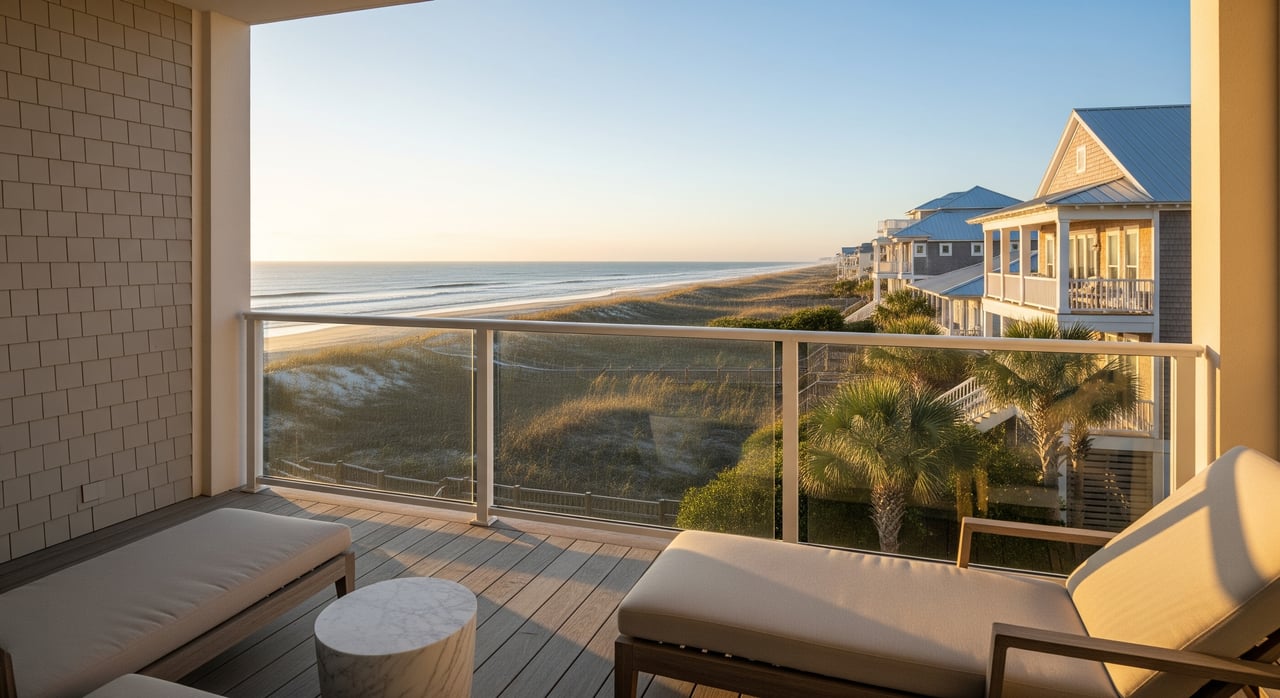
- Pros: Lower personal time on exterior maintenance, built‑in amenities like pools and gyms, beach access in many buildings, and on‑site management options.
- Cons: Less privacy, potential for noise, limited ability to modify exterior or outdoor spaces, and ongoing adherence to HOA rules.
Single‑family houses: privacy and flexibility
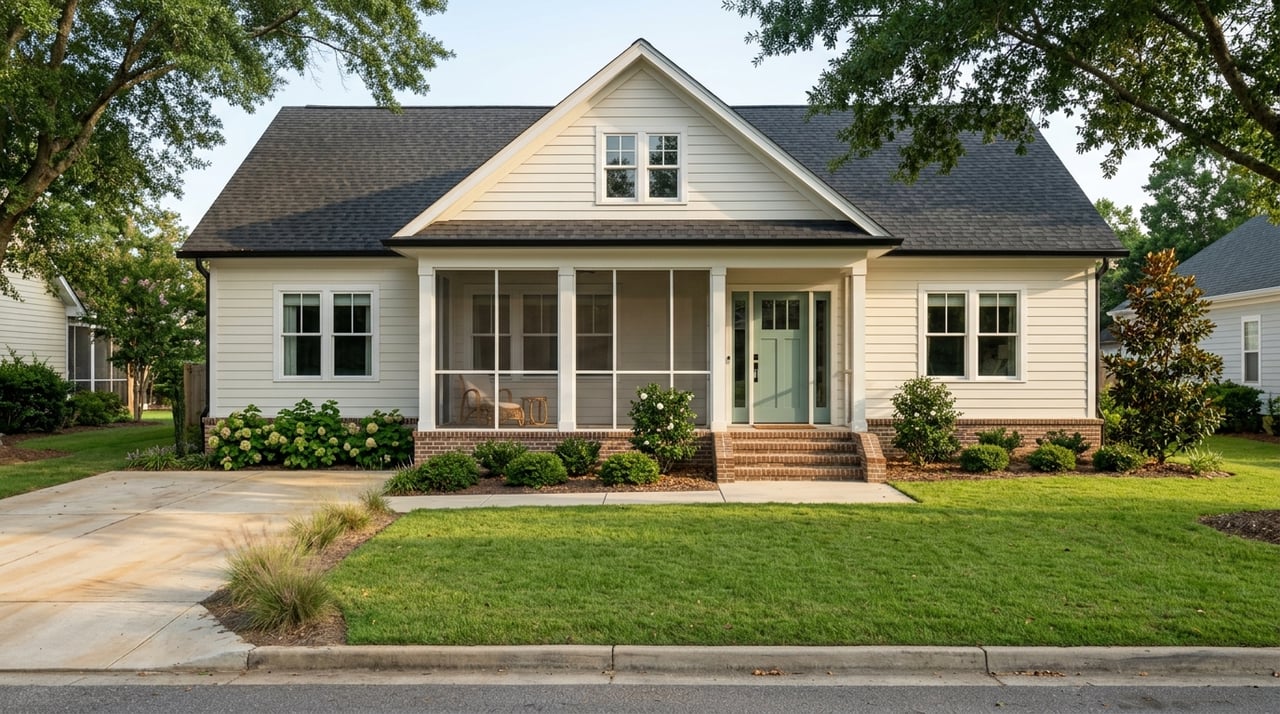
- Pros: More privacy, private yard and garage, and freedom to remodel. A house can be easier to tailor to longer family stays.
- Cons: Full responsibility for exterior maintenance and often higher insurance. Yard care and systems add time and cost.
Resale and liquidity factors
- Beach‑area condos can be highly marketable to vacationers and short‑term renters, but ample supply can make values more volatile.
- Single‑family homes often hold value tied to land and neighborhood desirability. Location relative to the beach remains a key driver of appreciation and resale speed.
Rental potential and what to verify
If rental income is part of your plan, do a conservative, line‑by‑line analysis.
Demand and seasonality
- North Myrtle Beach benefits from strong seasonal tourism. Late spring through summer drives most occupancy and nightly rates.
- Proximity to the shoreline, unit size, finishes, amenities, covered parking, and pet policies influence demand.
Revenue and operating costs
- Nightly rates vary widely by season and proximity to the beach and attractions.
- Typical operating costs include management fees, cleaning and turnover, utilities during stays, routine maintenance, linens, and booking platform commissions.
- Use conservative occupancy and assume meaningful off‑season vacancy. Net income is sensitive to competition and seasonality.
Regulations and taxes
- Expect local lodging and accommodations taxes that must be collected and remitted.
- Some municipalities require business licenses or registrations for short‑term rentals.
- HOA and condo rules may set minimum stay lengths, require guest registration, and limit occupancy.
- Rental income is taxable. Classification can depend on personal use versus rental days. Consult a tax advisor for specifics.
Where to confirm details
- City of North Myrtle Beach for lodging tax rates and any short‑term rental registration rules
- Horry County for county‑level accommodations or infrastructure taxes
- South Carolina Department of Revenue for state transient accommodations and sales tax guidance
- Your HOA’s governing documents for rental permissions and enforcement practices
Which fits your goals? A quick guide
- Mostly personal use and privacy matter most: A single‑family home often fits better.
- Rental income is a primary goal: A condo close to the beach with proven rental history and flexible HOA rules may produce steadier vacation revenue.
- Hybrid plan with some personal use: Look for buildings or communities with clear rental policies, strong reserves, and management options. Underwrite net income after all costs and taxes.
Due‑diligence checklist for North Myrtle Beach buyers
- Get 12 to 24 months of HOA or POA financials, reserve study, insurance declarations, and the rental policy.
- Pull recent property tax bills and verify millage with the Horry County Treasurer.
- Check FEMA flood maps for the exact parcel and secure flood insurance quotes.
- Obtain at least two coastal insurance quotes and confirm how hurricane deductibles apply.
- Ask the seller for 12 months of electric, water, and trash bills.
- If renting, request 12 to 24 months of rental performance, including gross revenue and occupancy by season.
- Hire a home inspector with coastal experience; for condos, evaluate common areas and maintenance records.
- Ask your lender about condo project approval status before you go under contract.
- Request sales and rental comps from local agents and market data from property managers.
Next steps
If you’re weighing a condo against a house in North Myrtle Beach, you don’t have to sort every line item alone. A local, hands‑on advisor can help you compare true total cost, read HOA documents, and project rental performance with realistic seasonality. When you’re ready, we’ll coordinate the right inspectors, insurance quotes, and property managers so you can decide with confidence.
Have questions or want a property‑by‑property cost comparison? Reach out to Cathy Cagno for a free consultation.
FAQs
What costs make condos and houses differ most in North Myrtle Beach?
- HOA dues and assessments for condos, plus master policy deductibles, can be significant, while single‑family owners carry all exterior maintenance and often higher individual insurance costs.
How do HOA rental rules affect second‑home owners?
- Rules can set minimum stays, require registration, limit guest occupancy, or restrict short‑term rentals altogether, which directly impacts rental revenue and personal flexibility.
Do I need flood insurance for a coastal property here?
- If the property is in a FEMA Special Flood Hazard Area and you have a mortgage, flood insurance is typically required; always verify the flood zone and get premium quotes early.
What should I review before buying a condo near the beach?
- Review the budget, audited financials, reserve study, master insurance declarations and deductibles, 6 to 12 months of board minutes, and any history of special assessments.
How seasonal is vacation rental income in North Myrtle Beach?
- Peak months from late spring through summer deliver most occupancy and nightly rates, with shoulder seasons producing fewer bookings; underwrite conservatively to account for off‑season vacancy.