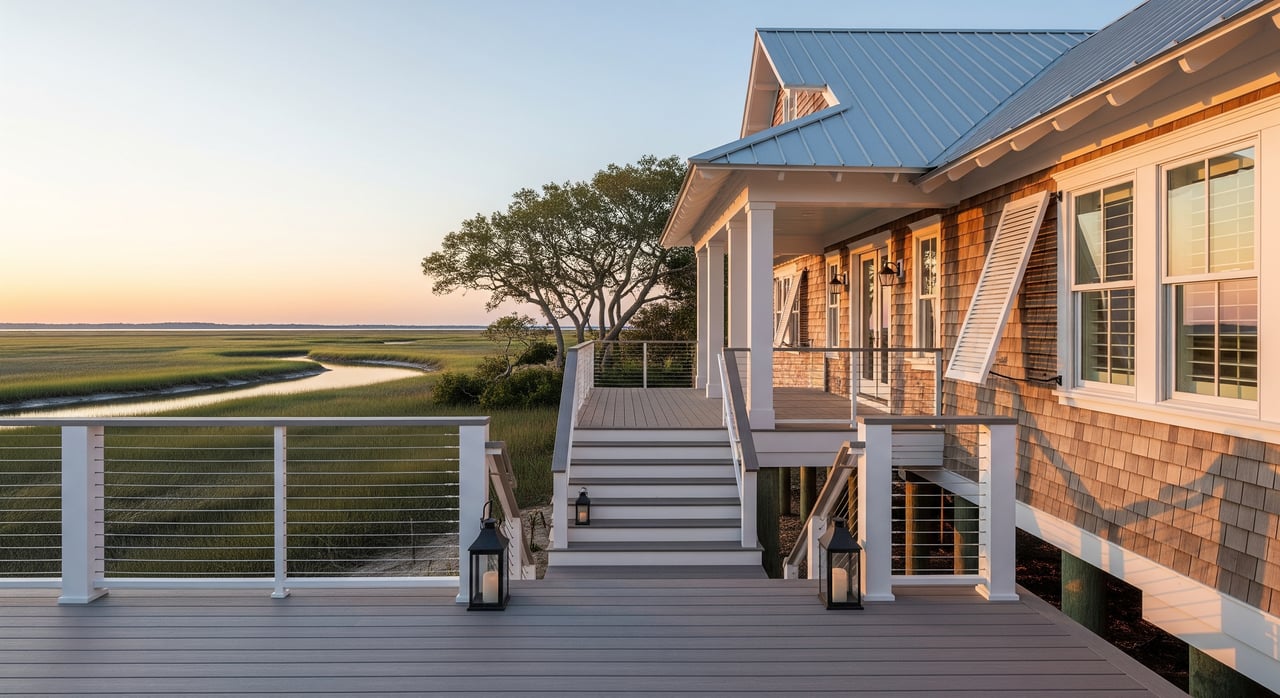
Salt air, sunshine, and ocean breezes make coastal living special. They also challenge your home in ways inland properties rarely face. If you own or plan to buy in Brunswick County, a smart maintenance plan protects your investment, lowers long-term costs, and keeps everyday life running smoothly.
In this guide, you’ll get a practical, coastal-specific checklist you can follow season by season. You’ll learn how to prevent corrosion, prep for hurricane season, and know when to call trusted local pros. Let’s dive in.
Why coastal care is different
Brunswick County sits in a coastal zone with unique conditions. From June through November, hurricane season brings elevated risk of tropical storms, heavy rain, high winds, and occasional storm surge. Year-round, salt-laden air, high humidity, and intense sun speed up wear on paint, hardware, and mechanical systems.
Flooding and erosion can affect low-lying areas. It’s wise to review local floodplain guidance, stay current on elevation certificates if required, and understand how drainage works on and around your property. Before making exterior changes, confirm local permits and coastal construction requirements with Brunswick County Building Inspections and applicable North Carolina codes.
The biggest maintenance drivers you’ll manage are salt-driven corrosion, moisture and mold, UV exposure, wind-blown debris, and, near tidal water, marine growth on certain structures. A simple routine tackles most of this.
Seasonal checklist
Spring: pre-summer prep
- Fresh-water rinse of siding, railings, windows, and exterior lights to remove salt buildup.
- Roof and gutters: clear debris, check flashing and drip edges, and note any rust or loose shingles.
- Decks and railings: tighten fasteners, clean, and re-seal or re-stain if due.
- HVAC tune-up before cooling season. Verify condensate drain lines and clean coils.
- Pest inspection for termites and wood-destroying insects.
- Replace HVAC filters and check dehumidifiers and ventilation.
Summer: hurricane readiness
- Keep a hurricane kit and checklist accessible. Secure shutters, trim trees, and have a plan for outdoor furniture.
- Test sump pumps, service generators, and verify emergency contacts.
- Monitor indoor humidity. If it rises above 60 percent, use a dehumidifier and inspect vents and insulation.
- After any major storm, inspect roof, windows, doors, siding, foundations, and decks. Document damage with photos and call pros for suspected structural issues.
Fall: post-storm inspection
- Full walk-around to catch storm wear. Schedule needed repairs for roofing, siding, and decks.
- Check exterior caulking around windows and doors. Touch up paint and sealants.
- Change HVAC filters and service heating equipment if present.
- Clean and winterize irrigation where needed.
Winter: mild with occasional cold snaps
- Insulate exposed pipes in crawlspaces and exterior walls to prevent freeze issues.
- Confirm attic and crawlspace ventilation to reduce condensation and mold.
- After windy events, rinse exterior metals and glass to remove salt accumulation.
Annual and as-needed
- Professional roof inspection annually and after major storms.
- HVAC service twice yearly. Change filters more often in high-salt zones.
- Soft-wash or low-pressure clean exterior at least once per year.
- Re-seal or re-stain decks every 1 to 3 years based on exposure and product.
- Repaint or refinish exterior wood and trim every 3 to 7 years.
- Inspect and replace sacrificial anodes on metal waterfront components as recommended.
- Update insurance documents, elevation certificates, and current-condition photos yearly.
Systems and materials care
Roofing and attic
Salt, wind, and wind-driven rain work your roof hard. Look for lifted shingles, corroded flashing, clogged gutters, and loose roof penetrations. Ensure attic ventilation and insulation are right-sized to prevent condensation. Call a roofer if you see missing shingles, leaks, or post-storm damage.
Siding and coatings
Coastal UV and salt accelerate fading and chalking. Use high-quality exterior coatings rated for coastal exposure. Rinse surfaces regularly and spot-treat mildew. Bring in a pro if you see widespread peeling, blistering, or soft substrate beneath the paint.
Windows and doors
Hardware can corrode quickly near the ocean. Upgrade to corrosion-resistant hardware where possible and keep exterior caulking fresh with a compatible, exterior-grade or marine-grade sealant. Consider impact-rated glazing or hurricane shutters for added protection. Call a certified installer for failed seals, water intrusion, or upgrade planning.
Decks, patios, and balconies
- Materials: pressure-treated wood needs routine sealing. Composite decking reduces upkeep but still collects salt and needs cleaning.
- Fasteners: use stainless steel, preferably 316 in high-exposure locations. Heavy hot-dipped galvanized is a secondary option.
- Inspect connections and railings. Call a contractor for structural deterioration or ledger-to-house concerns.
HVAC and plumbing
Outdoor HVAC coils corrode faster near the coast. Regular rinsing and professional service extend life. Maintain two to three feet of clearance around the outdoor unit, clear drain lines, and consider protective coil coatings. For plumbing, protect exposed piping and watch for galvanic corrosion at metal fittings. Call licensed pros for leaks, performance loss, or visible corrosion.
Electrical and generators
Salt air can corrode enclosures, outlets, and fixtures. Test GFCI and AFCI devices and inspect exterior electrical components yearly. Service whole-home generators and transfer switches annually and test before hurricane season.
Foundation and moisture
Keep grading and drainage directing water away from the house. Inspect crawlspaces for moisture, mold, and pests. Vapor barriers and proper ventilation are key. Call a pro if you see persistent dampness, mold growth, or structural movement.
Corrosion prevention basics
- Fasteners and connectors: choose stainless steel in direct marine exposure when feasible. In other cases, specify heavy hot-dipped galvanized hardware.
- Protective coatings: factory or field-applied coatings on outdoor metals and HVAC components extend service life.
- Sealants: use exterior-grade polyurethane or silicone compatible with your substrates. Refresh on a set schedule.
- Sacrificial anodes: on metal components near brackish or saltwater, inspect and replace per manufacturer guidance.
- Routine rinsing: a simple garden-hose rinse on railings, fixtures, AC coils, and windows helps remove salt deposits before they accelerate corrosion.
Storm prep and documentation
- Build a hurricane kit with water, food, medications, flashlights, batteries, and important contacts.
- Know local evacuation routes and where to find storm updates.
- Secure outdoor items early and trim trees and shrubs before storms.
- Photograph the property before and after storms. Keep copies of insurance policies, elevation certificates, and receipts in a safe location.
- After a storm, document conditions and call licensed pros for structural, electrical, or water-intrusion issues.
Condos, HOAs, and rentals
If you own a condo near the coast, your HOA typically maintains common areas and building envelopes, while you are responsible for interiors and certain components. Keep your AC serviced, manage indoor humidity, and inspect balcony fasteners and railings within your responsibility. Align unit improvements with HOA guidelines and confirm requirements before upgrades.
For short-term rentals, increase the frequency of simple tasks that reduce wear, like exterior rinses, filter changes, and quick post-storm checks. Keep a written schedule that cleaners and vendors can follow.
Pro help: who to call and how to vet
- Who to call: roofer with coastal experience, licensed general contractor, HVAC contractor familiar with coil protection, licensed electrician, licensed plumber, structural engineer, certified pest control, licensed marine contractor, mold remediation specialist, and certified window or impact-glazing installer.
- Vetting steps:
- Verify licensing and insurance in North Carolina.
- Ask for coastal project references and photos.
- Confirm corrosion-resistant materials and get warranties in writing.
- Request written scopes with fastener types, coatings, and inspection milestones.
- For storm repairs, confirm permit coordination and insurance adjuster collaboration.
Quick checklist to post on your fridge
- Rinse exterior metals and glass after windy, salty days.
- Change HVAC filters often and service units twice yearly.
- Walk the roof line visually each season and after storms.
- Check caulking, paint, and deck sealants every fall.
- Keep hurricane supplies and contact lists current.
- Photograph your property annually and after major weather events.
Final thoughts
A coastal home rewards steady, simple care. With regular rinses, smart material choices, and seasonal tune-ups, you can prevent small issues from turning into costly repairs. If you want local guidance, contractor referrals, or a pre-listing tune-up plan tailored to your property, connect with our concierge-minded team. Reach out to Cathy Cagno to Request a Free Consultation.
FAQs
What should a new Brunswick County homeowner do first?
- Start with a spring rinse and roof-gutter check, schedule an HVAC service, refresh exterior caulking, and set up a hurricane kit and contact list.
How often should I rinse my home’s exterior for salt?
- Rinse after windy, salty days and plan a general fresh-water rinse monthly, with more frequent care for oceanfront or high-exposure homes.
What fasteners are best for coastal decks near the ocean?
- Use stainless steel fasteners, preferably 316 in very exposed areas, with heavy hot-dipped galvanized as a secondary option where appropriate.
How do I prepare my home for hurricane season in Brunswick County?
- Secure shutters, trim trees, service generators and pumps, stock emergency supplies, review evacuation routes, and document your property with photos.
Do coastal condos need dehumidifiers even with AC running?
- Many condos benefit from a standalone dehumidifier to keep indoor humidity under 60 percent, especially in tighter units or during peak humidity.