Where Are Americans Really Moving in 2026?
What the Data Actually Shows About the Carolinas, California, and Everywhere In Between
Everyone loves a good "people are fleeing X and flocking to Y" headline, but the real migration data tells a more interesting story than the soundbites. Here is what is actually happening with where Americans are moving in 2026, backed by real numbers, not just vibes.
The Carolinas Are Having a Genuine Moment
South Carolina is the fastest-growing state in the entire country right now, adding population at a rate of 1.5 percent, according to the latest Census Bureau estimates. North Carolina is not far behind, ranking third nationally at 1.3 percent growth, and adding 145,907 new residents this past year alone, the third highest raw number of any state.
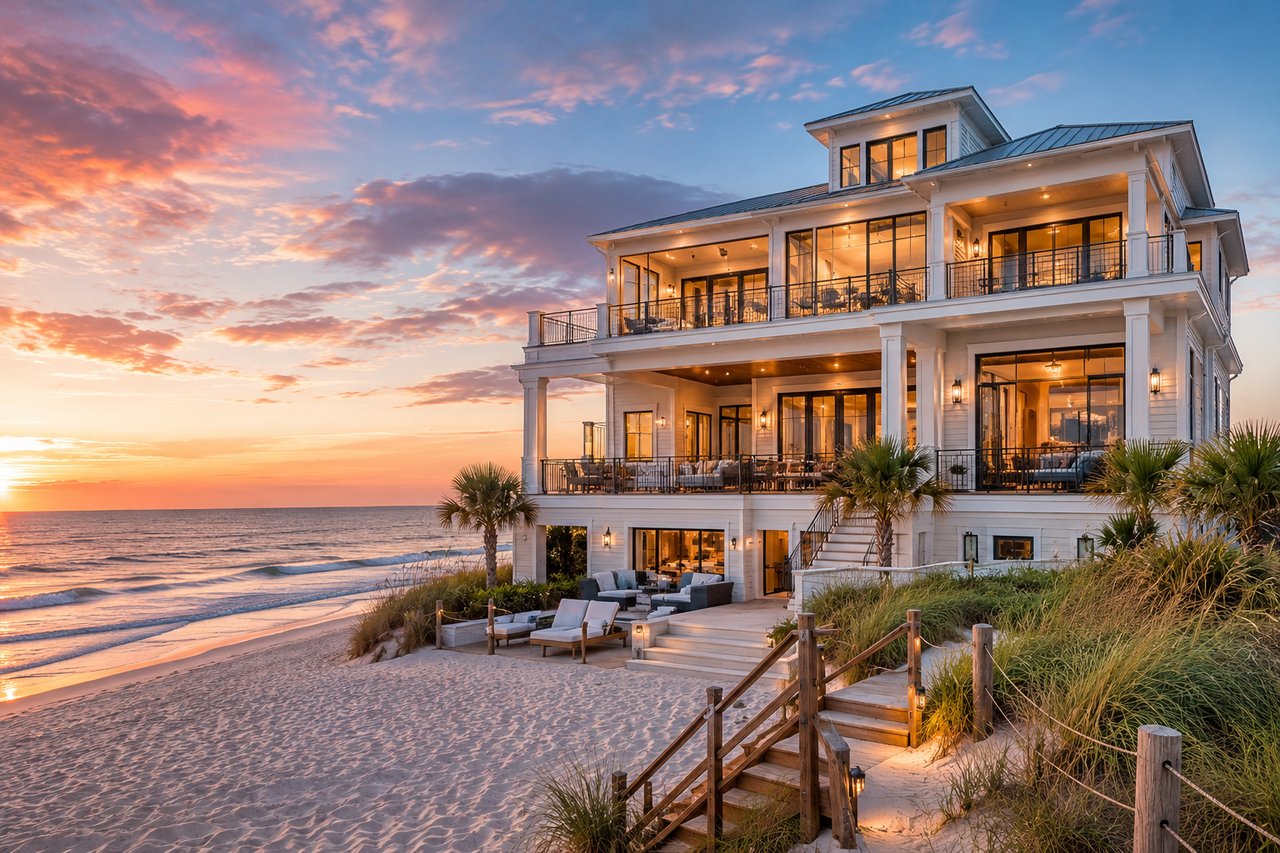
Here along the coast, the numbers get even more interesting. Myrtle Beach currently leads every single city in the country in what is called inbound-to-outbound move ratio, meaning for roughly every 1 person who moves away, close to 4 people move in. That is not just a good number, it is the best ratio of any city in the United States, coastal or otherwise.
Why This Is Happening
The reasons are pretty consistent across every data source: beach access, golf infrastructure, a lower cost of living than comparable coastal Florida markets, and a healthcare system that has expanded to support year round retirees rather than just seasonal visitors. The growth is coming primarily from retirees and near-retirees, but a meaningful wave of younger remote workers from the Northeast has discovered the area as a full time home too, not just a vacation spot.
Interestingly, for the second year in a row, the top reason Americans gave for moving was to be closer to family, not a new job. That is a real shift. Remote work has made it possible for a lot of people to choose where they live based on who they want to be near, rather than where their office happens to be.
What About California?
California continues to lose more residents than any other state, and the reasons go well beyond any single factor. The state carries the highest top income tax rate in the country at 13.3 percent, home prices remain out of reach for most income levels even in less desirable areas, and a challenging regulatory and cost of doing business environment has pushed a steady wave of companies, and the jobs that come with them, to states like Texas. Add in a broad cost of living premium that is increasingly hard to justify once remote work made location optional for a lot of professionals, and the outflow becomes easy to understand.
A Fair Question: What About Flood Risk?
It is worth acknowledging directly: coastal flood and hurricane risk exists all along both the Atlantic and Gulf coasts, not just in one region. Insurance costs and storm exposure are real considerations no matter which coastline you are looking at. So why are people still moving to coastal North and South Carolina in growing numbers despite that?
The honest answer is that buyers are not weighing risk against no risk, they are weighing risk against cost, and comparing one coastline to another. Relative affordability along much of the NC and SC coast, combined with steadily improving building codes and elevation standards for newer construction, has kept the value proposition strong even as awareness of storm risk has grown. It is a real factor buyers should discuss with their agent and insurance provider, not something to ignore, but it has not outweighed the combination of lifestyle, affordability, and community that continues to draw people here.
Quick Takeaway
South Carolina: the fastest-growing state in the U.S. in 2026
North Carolina: #3 nationally in population growth
Myrtle Beach: the #1 inbound-to-outbound move ratio of any U.S. city
Top reason people move now: closer to family, not a new job
Bottom line: affordability and lifestyle are winning out, even with real coastal risk factored in.
What This Means If You Are Thinking About a Move
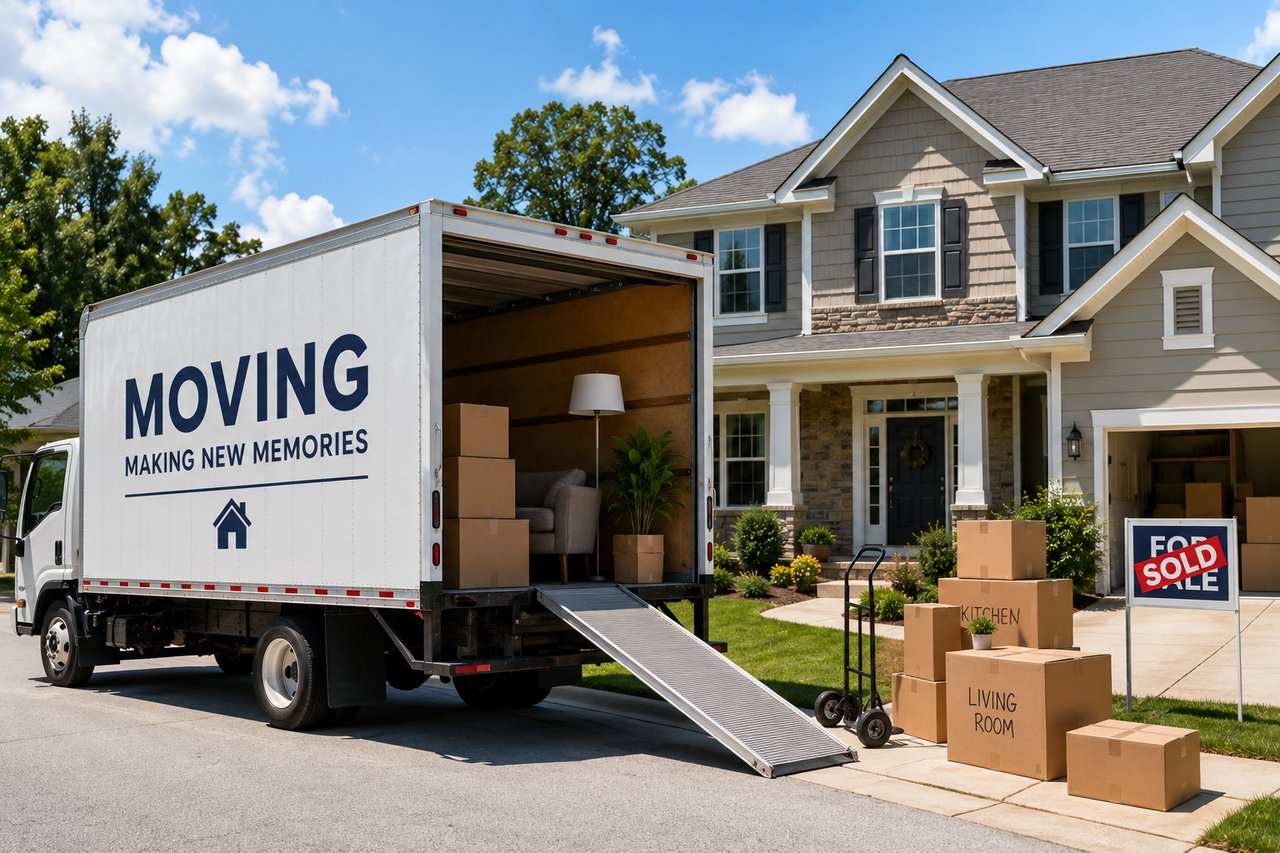
Whether you are relocating from the Northeast, the Midwest, or right here in North Carolina looking to make the move to the coast, the data backs up what a lot of buyers already sense: this region offers a genuinely strong combination of affordability, lifestyle, and long term growth. That said, every coastal purchase deserves a real conversation about insurance, flood zones, and building standards specific to the property you are considering, not just the regional trend.
Thinking about making a move to Central North Carolina or the coast? I would love to talk through what the data means for your specific situation and help you find the right fit. Reach out anytime.
Cathy Cagno
Owner | Broker in Charge | REALTOR
Local To Coastal Realty, Inc.
336-516-4136